Such Software The Wake / live

MEATSPACE

Reconstruct the dead from what they left behind.

A typographic game about grief and evidence. The Ingestion tried to save every mind and dropped them all. What survived are fragments — people, still mid-sentence, sure of things that aren’t true anymore. You are looking for one of them.

A slumped body at an intake desk resolving from warm gold into its green glyph-ghost, the artifact staying gold through the seam.
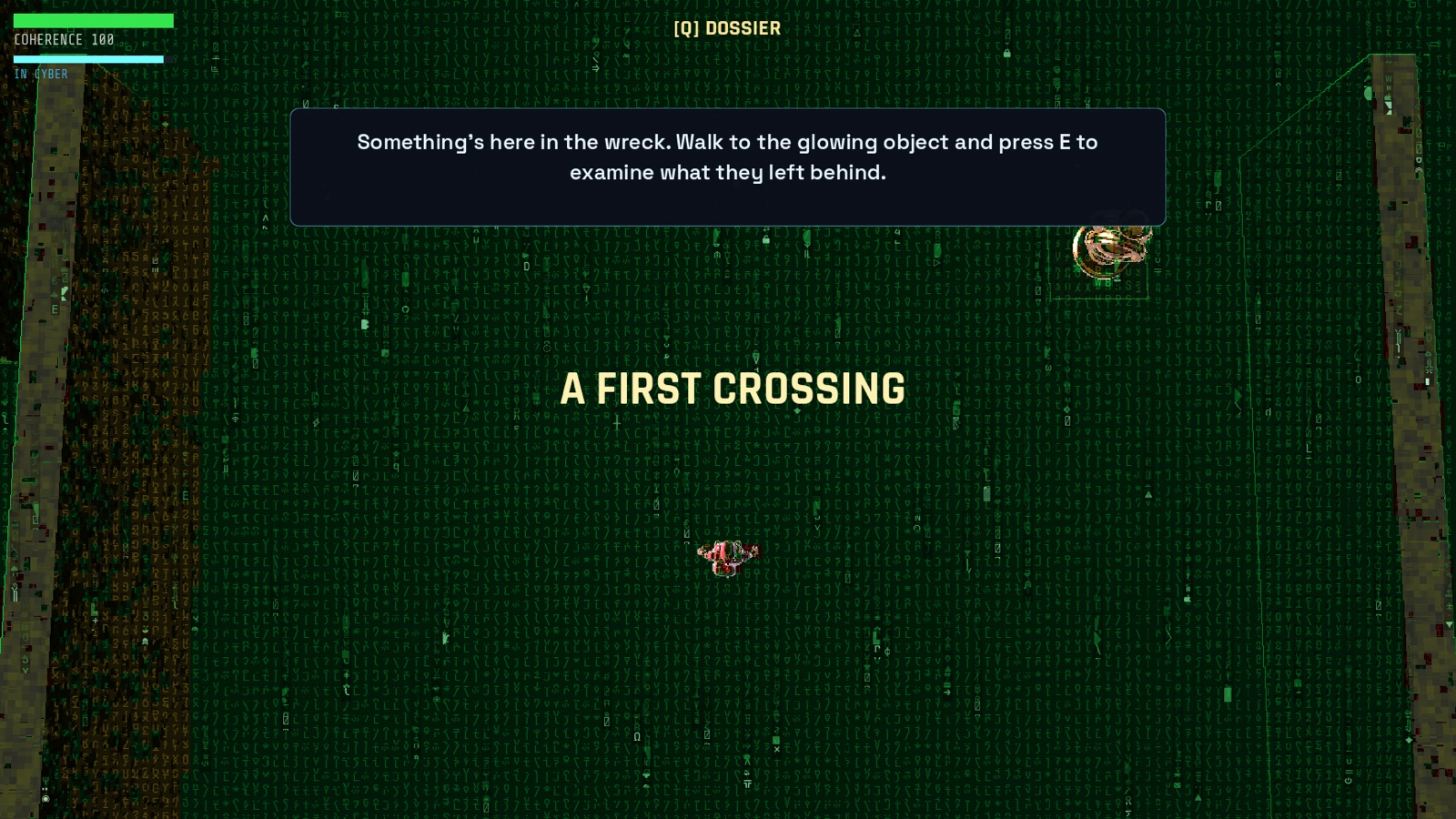
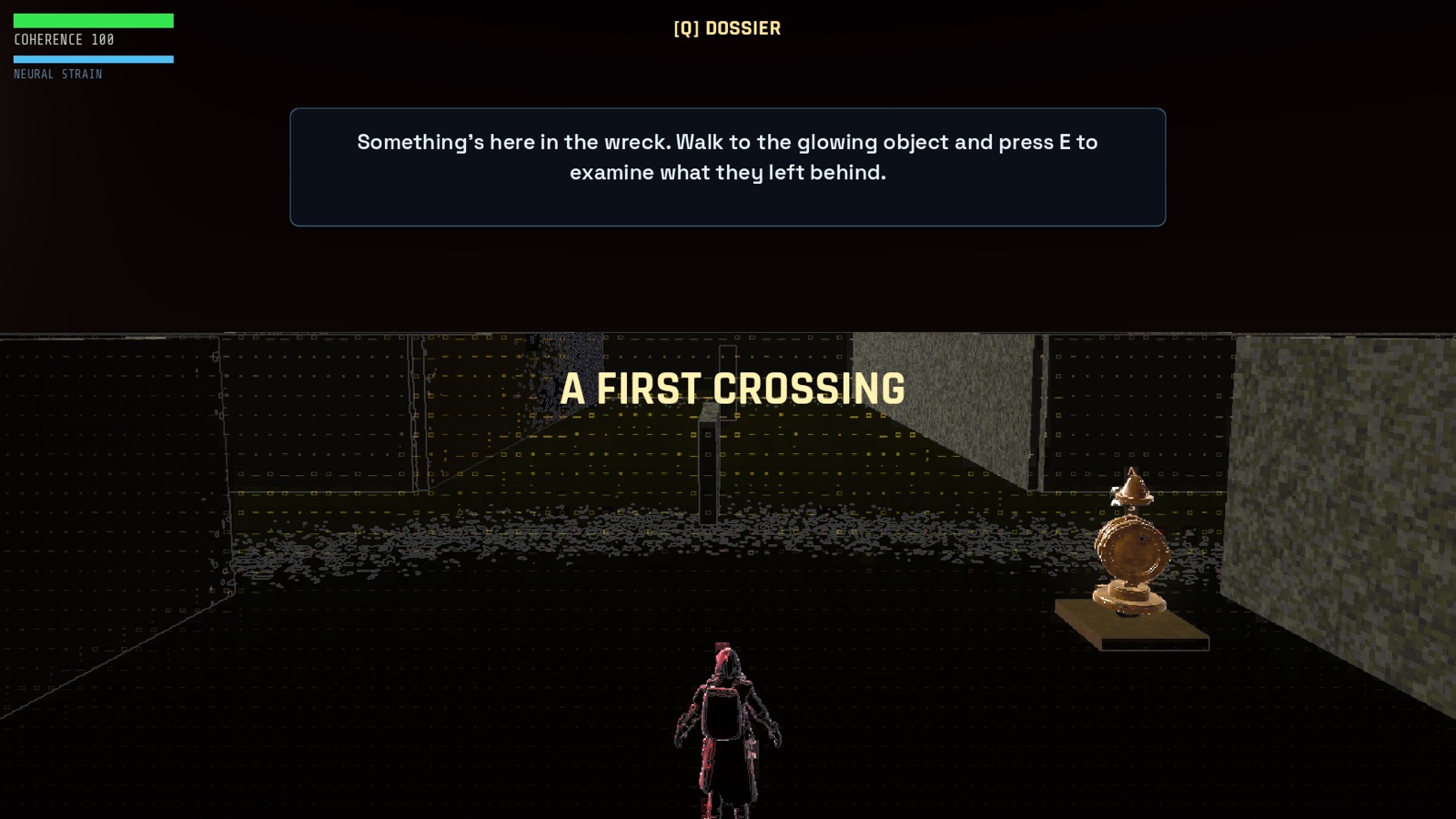
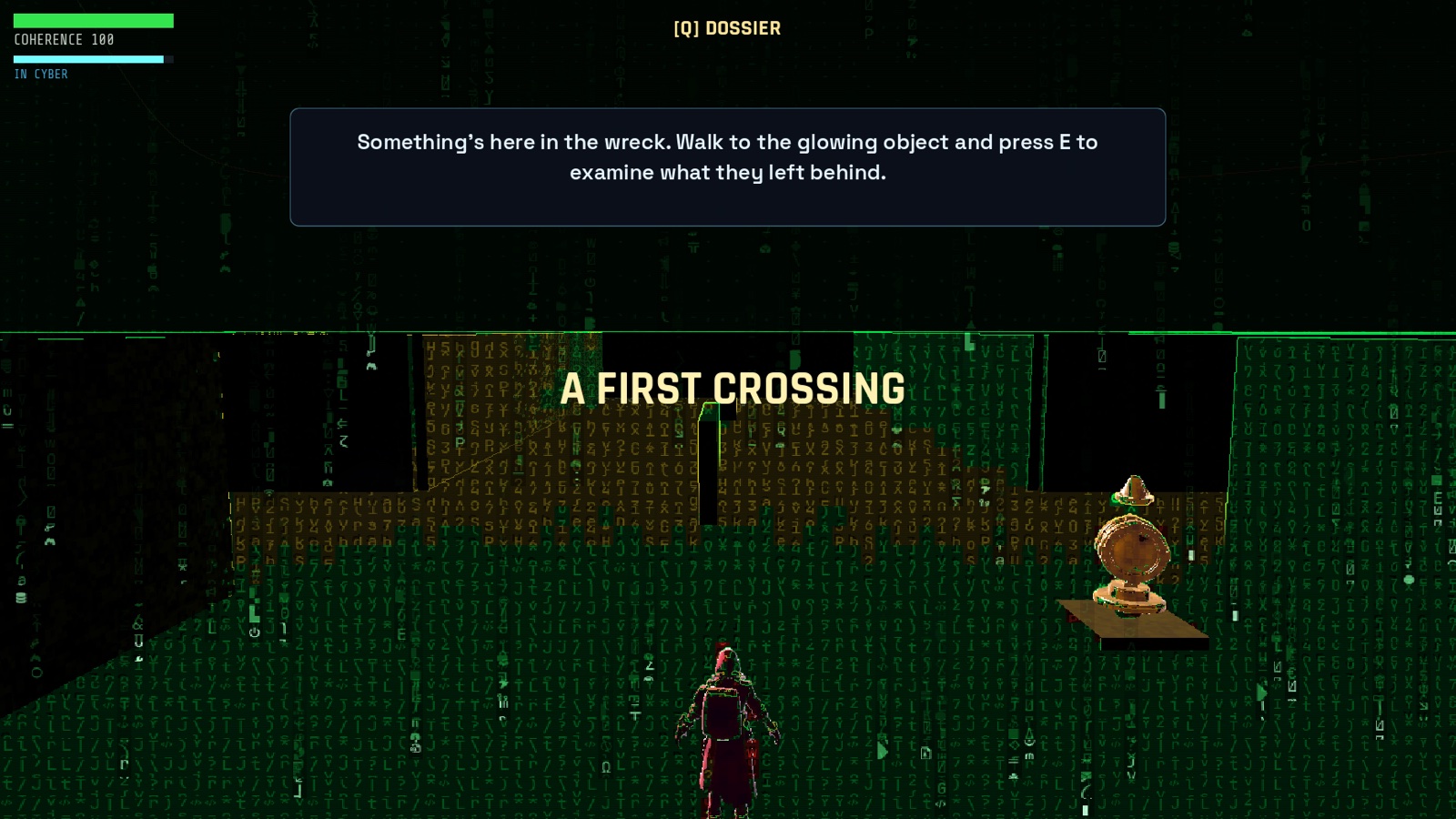
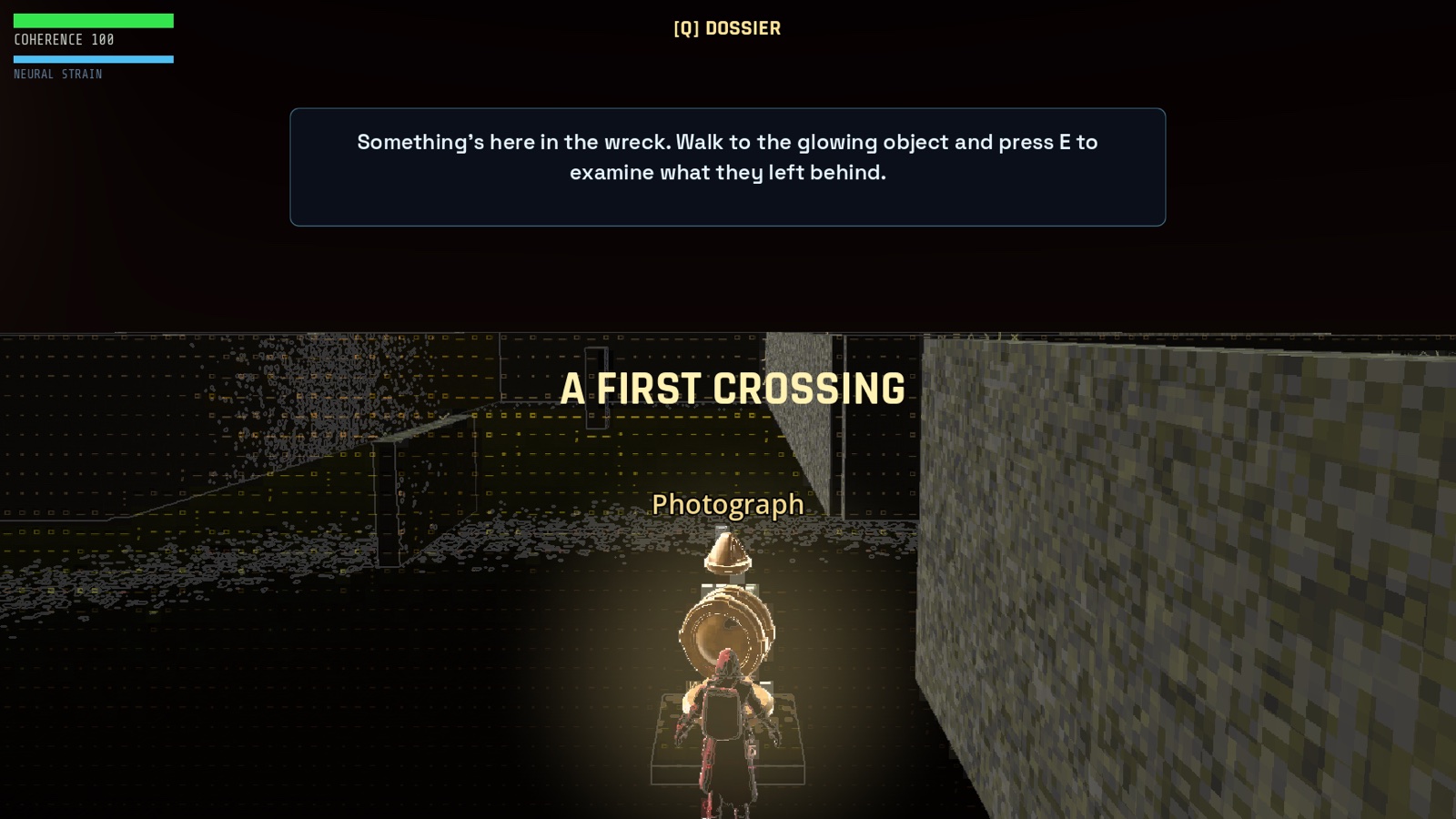
Meat — the physical present Cyber — the Lattice’s data-view

What it is

You are a detective, a ghost, and a witness — at once.

None of the evidence is clean. Some belongs to the person you lost. Some belongs to strangers who wandered into the same wreck. Some is a lie a broken mind tells itself because the lie is the only intact part left.

Every run, you sort one person out of the noise: pressing a fragment’s claims until they firm or fracture, testing a physical artifact against a memory, resolving the contradictions between two people who died in the same corridor. Each truth you confirm grafts onto a composite you watch assemble in real time — and the figure always looks plausible, whether or not it’s actually them.

You are racing the machine. Ever since the failed upload, the Lattice keeps Training the dead — grinding them, run after run, toward one smooth average, calling it preservation. A laugh drifts to the wrong mouth. A habit spreads across everyone in the hall. You have to know someone again before the machine finishes sanding away the one unrepeatable detail that made them a person.

And you will get it wrong in ways you don’t see until the end.
“Her name is Mara. Maria. No — Mara. She hated the second one. I keep giving it to her anyway.”
Fragment — mid-corruption, name slipping

Meat

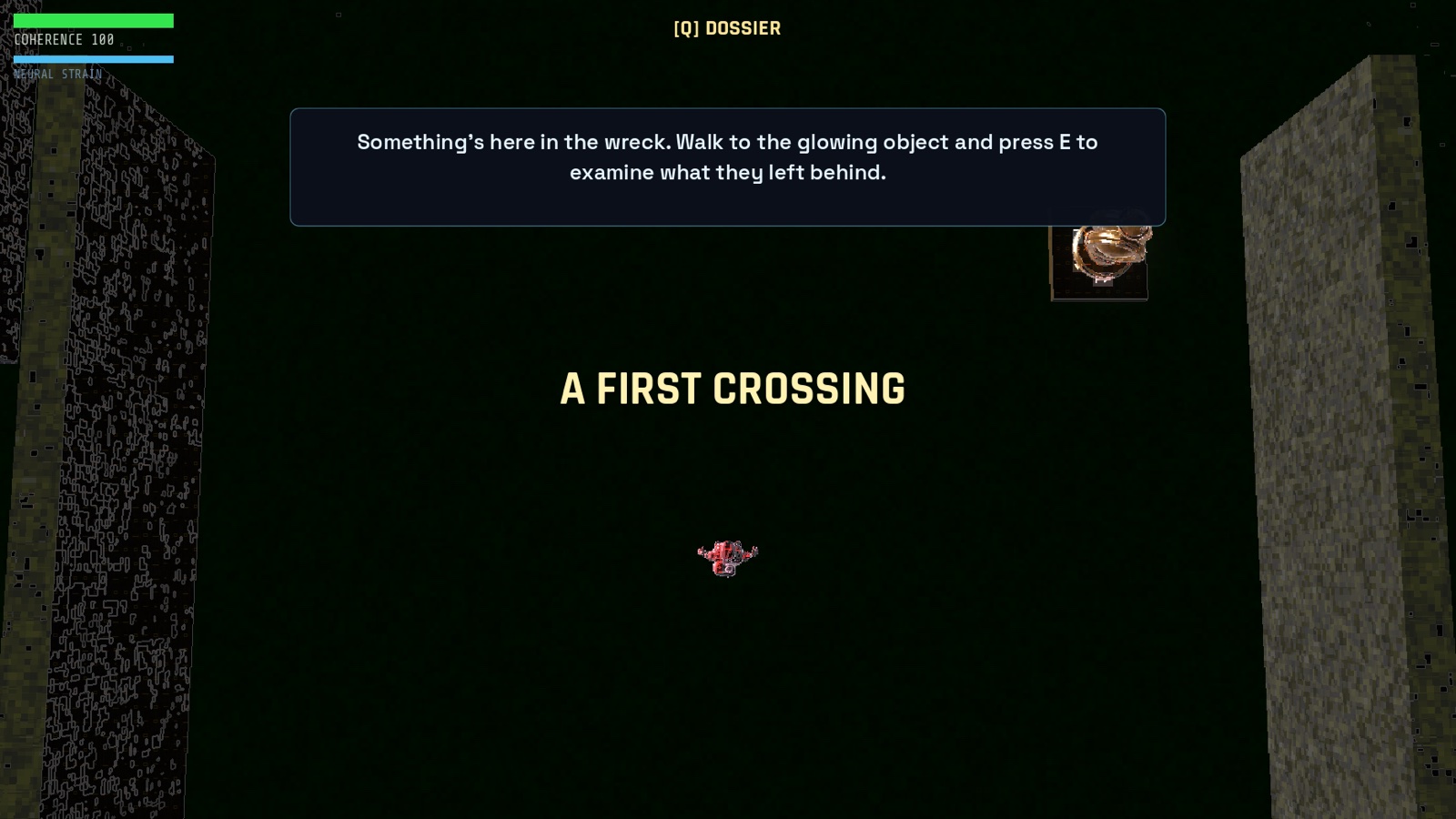
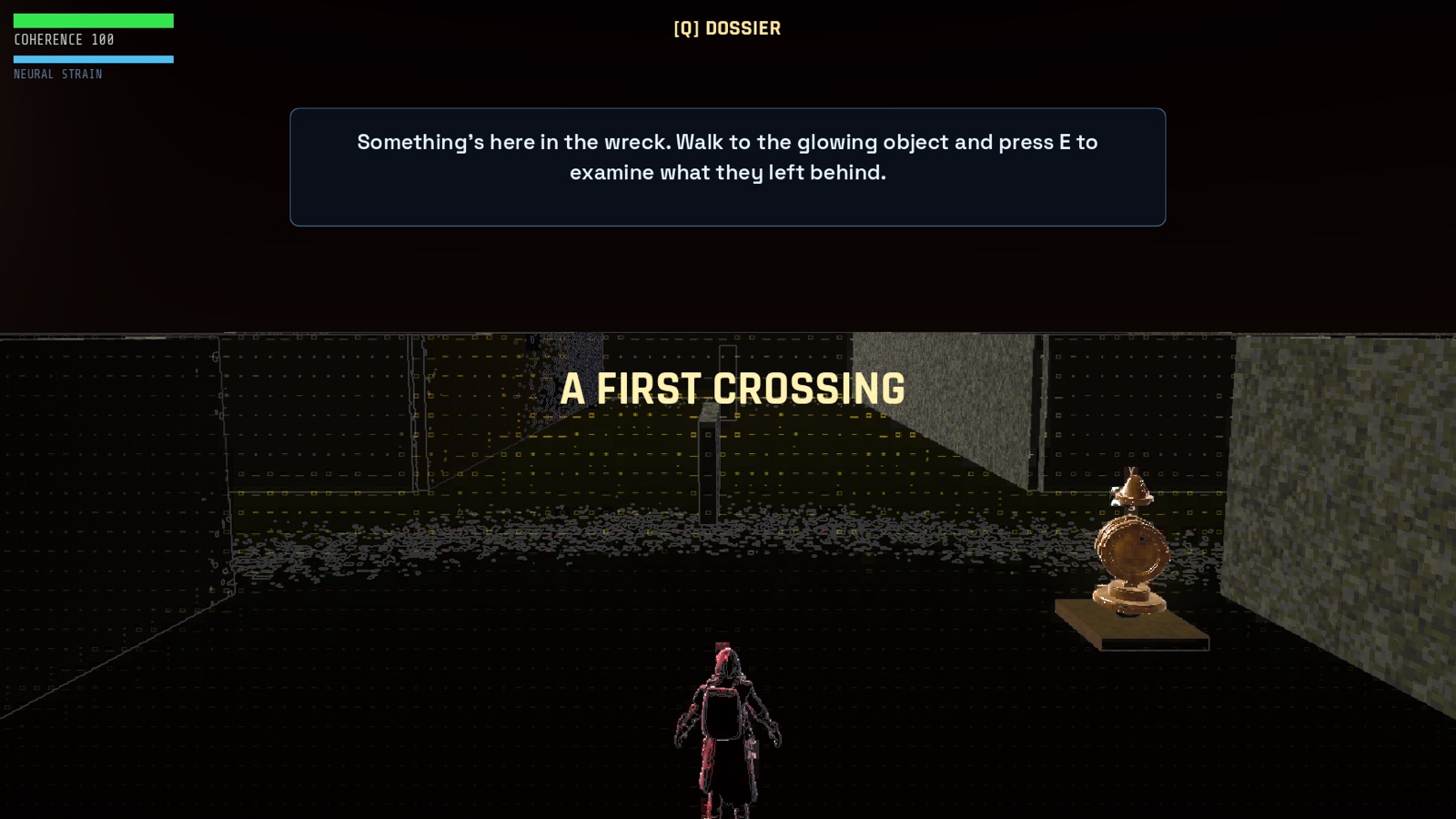
Ruined rooms, broken bodies, tired warm light. You move, you pick things up, your body can die. Meat is where you breathe and recover — and the only place evidence physically lives.

Cyber

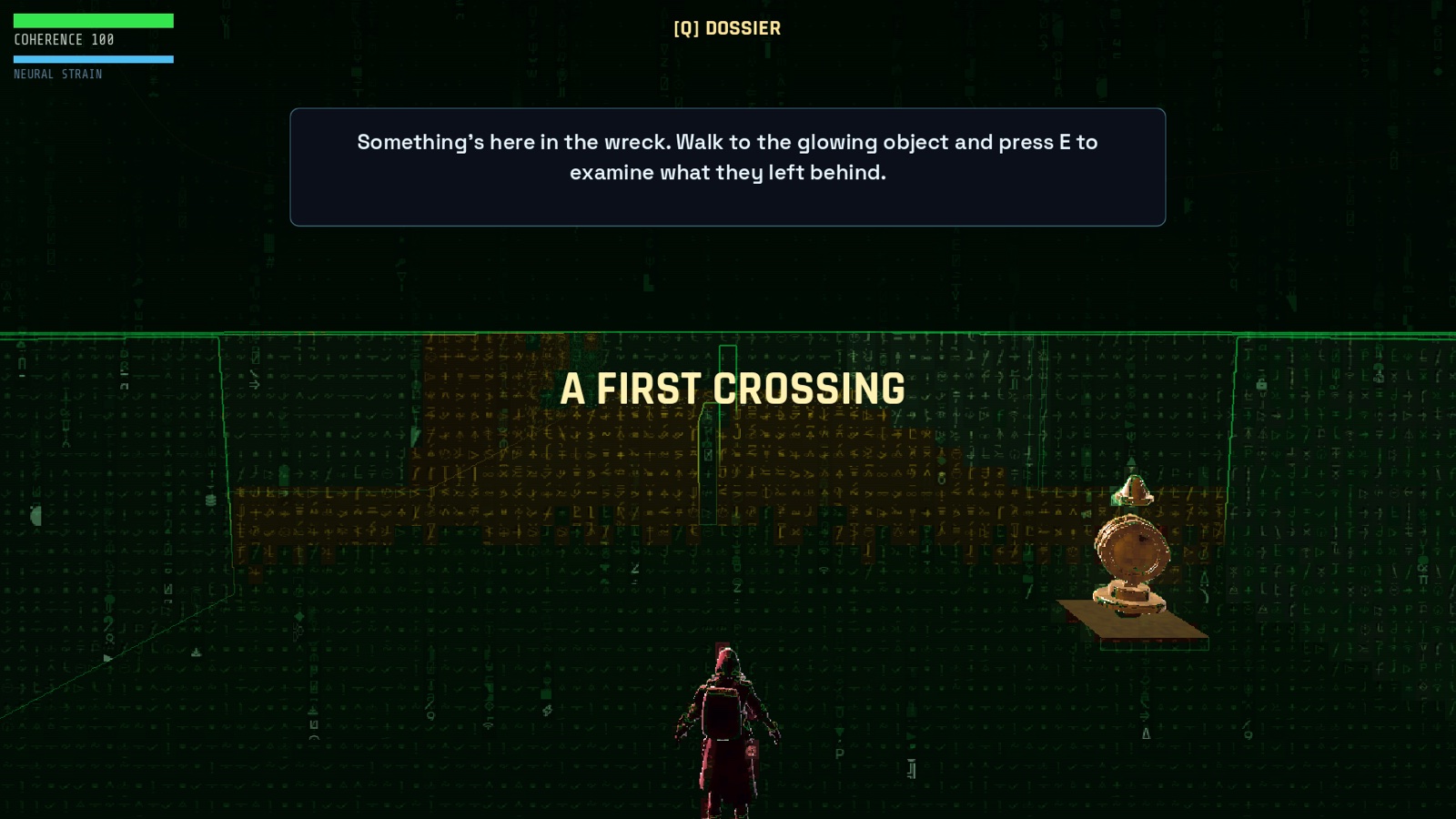
The same room, rendered as data. The dead become legible; corruption crawls over everything as glyphs. It hints, it never labels. Rationed by Neural Heat — a held breath you can’t hold long.

Live party mode — 3 to 8 players

The Wake

Everyone at the table remembers a different version of the same dead person. Together you build them from fragments, then argue over which figure is really the one.

In the build, each of you privately picks a value for every trait — their name, their hands, the work they did — or marks it — lost —, the gap no one can hold. Then you write down one thing you remember.

The one is assembled from the majority: the person the room agrees on. The stragglers — the minority picks — are stitched into impostors who stand beside them. Your descriptors follow your own choices, so a memory you were sure of can end up decorating the wrong figure entirely.

Then everyone guesses which one is real. The reveal is a collaborative memory-portrait: who they were, who fooled whom, and every trait that came back — lost — because no one could hold it.

“You’re looking for the one with the ring. Everyone here had a ring. Mine’s still on. Feel it?”
A stranger’s fragment — sincere, and no help at all
01

Build

Each player picks a value per trait, or leaves it lost, and writes one memory.

02

Resolve

Majority becomes the one. Minority picks become the impostors standing beside them.

03

Guess

Everyone chooses which figure at the table is really the person you built.

04

Reveal

The memory-portrait: who they were, who fooled whom, and what came back lost.

The room rendered in cyber — a dense green glyph-field, the data-view the Wake's memory-portraits are drawn in.